A Comprehensive Guide to Choosing High-Quality Hunting Arrows!
Feb 07,2026 | Sharrow Archery
1. Introduction
When you're out hunting in the wild, your choice of arrow can make all the difference. A high-quality arrow ensures better flight stability, accuracy, and penetration power, whereas a poor choice could lead to missed shots and poor results. Thus, understanding how to select the right hunting arrows is a critical skill every hunter must master.
2. Basic Concepts
Types of Hunting Arrows:
-
Carbon Arrows: Known for their lightweight and high-strength properties, carbon arrows are commonly chosen by modern hunters. They offer faster flight speeds and better stability.
-
Aluminum Arrows: These provide a good balance between weight and strength, making them a reliable choice for most hunters. They are more durable but heavier than carbon arrows.
-
Composite Arrows: Made by combining carbon fiber and other materials, composite arrows combine the lightweight nature of carbon with the stability of aluminum, making them ideal for long-distance shooting.
-
Traditional Wooden Arrows: Though less common today, traditional wooden arrows are still favored by some hunters for their classic appearance and historical feel.
Arrow Specifications:
-
Arrow Length: Typically determined by the hunter’s draw length, which is usually based on arm span.
-
Arrowhead Weight: The weight of the arrowhead directly affects the flight speed and penetration power. Heavier tips are often preferred for hunting as they offer better penetration.
-
Arrow Shaft Diameter & Spine: The stiffness of the arrow shaft is called "spine." The correct spine ensures the arrow maintains a stable flight path. Too soft a shaft leads to wobbling, while too stiff can result in inaccurate shots.
3. Key Selection Factors
When selecting a high-quality hunting arrow, the following factors are crucial:
-
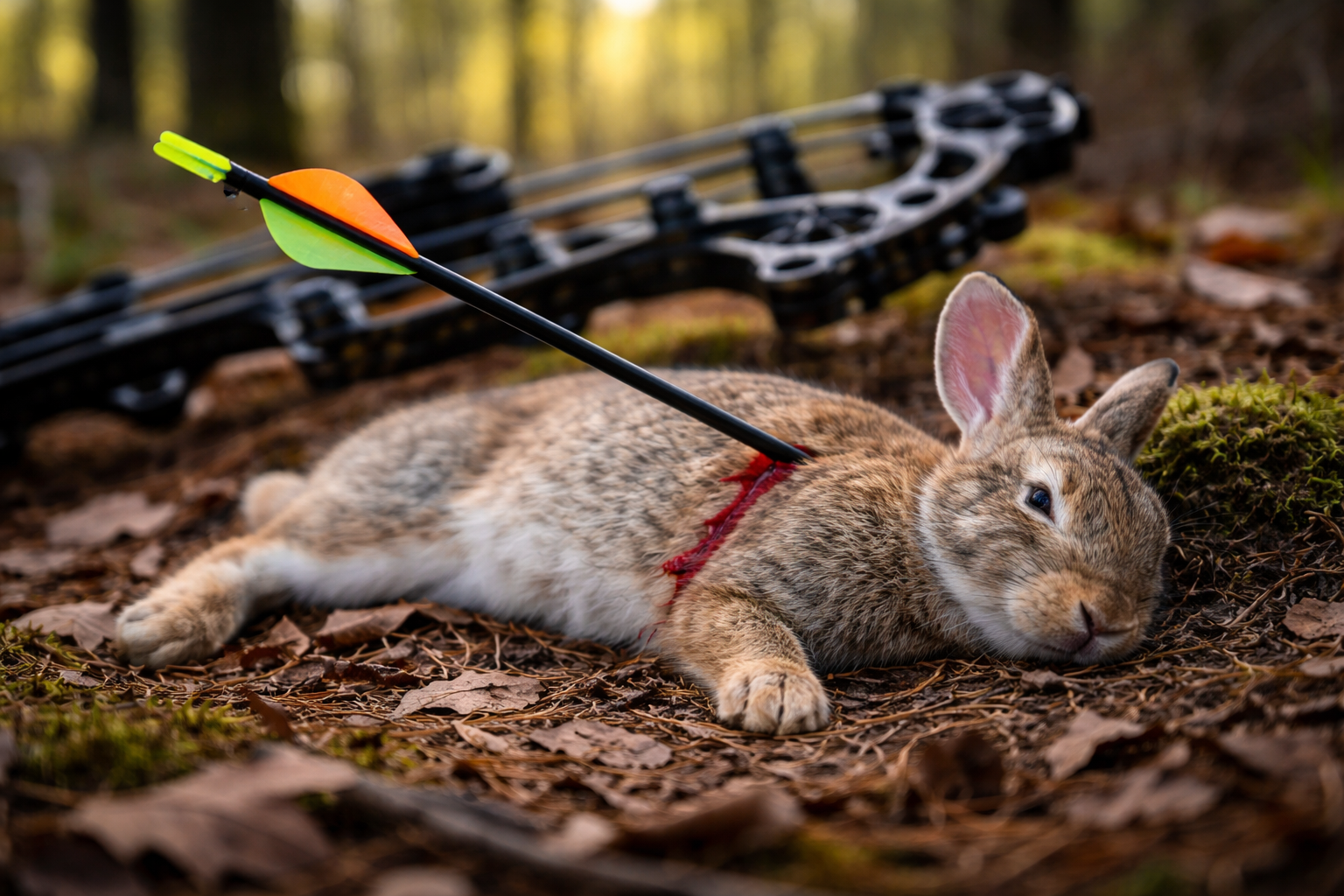
Purpose: Different animals require different arrows. For larger game (like deer or wild boar), heavier, stronger arrowheads are recommended to ensure sufficient penetration. For smaller game (like birds or rabbits), lighter arrows can be more appropriate.
-
Bow Type & Draw Weight: The type of bow you use (compound, traditional, etc.) and its draw weight affect the type of arrow you should choose. The draw weight will determine the arrow's stiffness and length.
-
Flight Stability: A good hunting arrow must not only have the right weight but also be stable in flight. Stability ensures that the arrow follows a predictable path, improving your chances of hitting the target.
-
Material Durability: Arrows made from durable materials resist wear and tear better, allowing you to use them longer without needing frequent replacements.
4. Common Mistakes
Many hunters make the following mistakes when selecting arrows:
-
Choosing Mismatched Arrowheads and Bows: Using an arrowhead that doesn't suit your bow can lead to unstable flight and inaccurate shots. Different types of bows (compound vs. traditional) require different arrows, so proper matching is essential.
-
Ignoring Arrow Spine: The spine of the arrow determines how much it bends during flight. Selecting an arrow with the wrong spine stiffness can lead to poor accuracy. Make sure to match the arrow's spine to your bow's specifications.
-
Over-prioritizing Lightweight Arrows: While light arrows fly faster, they often lack the necessary penetration power, especially when hunting large animals. For bigger game, prioritize heavier arrows for better performance.
-
Using Low-Quality Arrowheads: The arrowhead is one of the most critical parts of the arrow. Low-quality heads can cause poor penetration and lead to missed shots, so always opt for durable, high-quality heads.
5. Recommended Solutions
Based on the type of game and individual needs, here are some recommended choices for hunting arrows:
-
For Small Game (e.g., rabbits, birds, etc.): Opt for carbon or traditional wooden arrows. A lighter arrowhead (medium weight) will offer accuracy while ensuring the arrow doesn’t over-penetrate.
- For Medium Game (e.g., foxes, coyotes, etc.): Choose medium-strength carbon or aluminum arrows, paired with a medium-weight arrowhead. These options provide enough penetration and stability for smaller yet robust animals.
The "medium-weight" arrows, typically recommended at 6-8 grains per pound.
Total arrow weight = (Bow draw weight) × (6-8 grains).:For example, with a 60-pound draw weight bow, the total arrow weight should be between 360-480 grains (approximately 23-31 grams).
🔗https://lokearchery.com/products/sharrow-30-carbon-arrows-with-screw-tips-sp300-800-for-hunting
6. FAQ
Q1:What material should I choose for my arrowheads?
A1: Arrowheads come in various materials, including steel, aluminum, carbon, and alloys. For large game, choose steel or alloy arrowheads, which offer greater durability and penetration. For small game, aluminum or carbon arrowheads are suitable, providing enough precision without excessive penetration.
🔗https://sharrowarchery.com/products/broadheads-set-%E2%80%93-12pcs-102gr
Q2:Do I need special arrows for a compound bow?
A2: Yes, compound bows generally require stiffer arrows due to their higher draw weights. Choose carbon arrows with the appropriate spine to ensure flight stability and accuracy.
7. Conclusion
Selecting a high-quality hunting arrow is crucial for improving your chances of success in the field. From materials, spine, and weight to arrowhead selection, each detail contributes to the overall performance of the arrow. Avoid common mistakes and test different arrows to find the best fit for your bow and hunting style. With the right arrow, you'll be able to enhance your accuracy and improve your hunting experience. We hope this guide helps you make the best decision in selecting hunting arrows and achieves success in your next hunt.
发表评论
.jpg?w=3000&h=3000)