How to Choose the Right Bow and Arrow for Yourself
Oct 28,2025 | Sharrow Archery
How to Choose the Right Bow and Arrow for Yourself
Selecting the right bow and arrow is crucial for both beginners and experienced archers. With a wide range of bows and arrows available, each designed for different styles of archery—whether target shooting, hunting, or recreational practice—the decision can be overwhelming. This in-depth guide will help you understand the key factors to consider when choosing your equipment, including bow type, draw weight, arrow material, and personal preferences.
1. Understand the Different Types of Bows
There are three main types of bows used in modern archery: Recurve Bow, Compound Bow, and Longbow. Each has its unique characteristics and best-use scenarios.
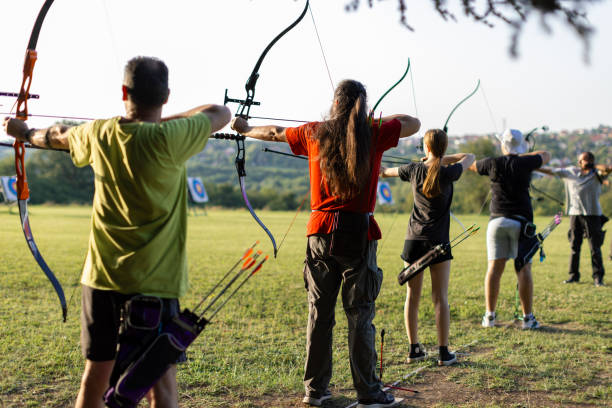
Recurve Bow: The recurve bow is the most commonly used in Olympic archery and general target practice. Known for its traditional design with curved limbs, it enhances the power and speed of the shot. This bow is ideal for those seeking a balance between performance and portability.
-
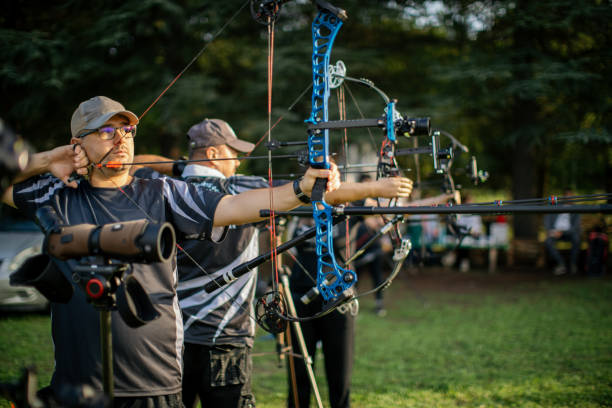
Compound Bow: The compound bow uses a mechanical system with pulleys, cams, and cables to reduce the effort required to hold the string at full draw, making shooting much easier. It offers high arrow speeds, accuracy, and precision.
Best for: Serious hunters and competitive target shooters.
Advantages: Adjustable draw weight, greater accuracy, and faster speeds.
Disadvantages: Heavier, more complex, and requires more maintenance.
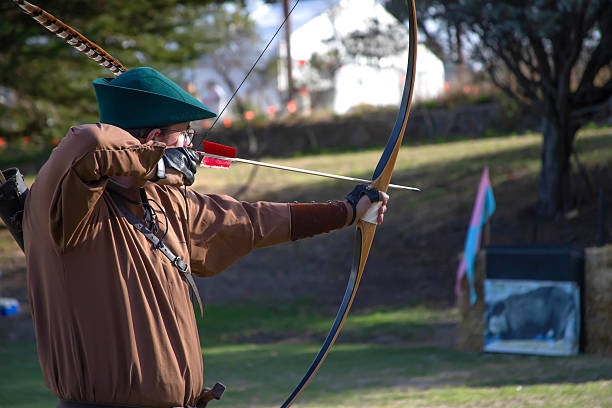
Longbow: The longbow is a traditional, simple bow with long, straight limbs. Although not commonly used in modern competitive archery, it is preferred for historical reenactments and traditional archery practices.
Best for: Traditional archers and those interested in historical reenactments.
Advantages: Simplicity and historical value.
Disadvantages: Requires great skill and physical strength, less forgiving than other bows.
2. Draw Weight: Finding the Right Fit for You
The draw weight refers to the force required to pull the bowstring back to its full draw. It directly impacts the power of your shots, but also affects your comfort while shooting. Choosing the right draw weight is essential for a pleasant shooting experience.
-
Beginners: For beginners, a lighter draw weight (between 20 to 30 pounds) is recommended. This allows you to focus on form and technique without straining.
-
Intermediate Archers: More experienced archers can handle a draw weight between 30 to 45 pounds, providing enough power without sacrificing comfort.
-
Advanced Archers/Hunters: Serious hunters or advanced archers often use draw weights of 45 pounds or higher, depending on the type of game or competition.
3. Arrow Selection: Material and Size
Choosing the right arrows is just as important as choosing the right bow. Arrows come in different materials, such as carbon, aluminum, and wood, each affecting the arrow’s speed, durability, and weight.
-
Carbon Arrows: These are the most common type in modern archery. They are lightweight, durable, and fast, making them ideal for both target shooting and hunting.
-
Aluminum Arrows: Slightly heavier than carbon arrows, aluminum arrows are known for their precision and are often used for target shooting.
-
Wooden Arrows: Primarily used for traditional archery, wooden arrows offer a nostalgic feel but lack the consistency and durability of carbon or aluminum arrows.
Arrow Length: The length of your arrow is crucial for proper fit. An arrow that is too short or too long will affect your shooting performance. Generally, the arrow should be 1-2 inches longer than your draw length.
4. Bow Size: Consider Your Body Type
The size of the bow should be appropriate for your body type, arm length, and draw length. A bow that is too large or too small can cause discomfort, affecting your shooting form and accuracy.
-
Recurve Bows: These typically range from 54 to 70 inches. A smaller bow is ideal for beginners or archers with shorter arm spans.
-
Compound Bows: Compound bows come in various sizes, with many offering adjustable lengths for a better fit.
-
Longbows: These tend to be larger, ranging from 66 to 72 inches in length.
5. Purpose of Use: Target, Hunting, or Recreation?
Understanding your primary use for archery will help guide your equipment choices.
-
For Target Shooting: If you're focused on target archery, precision and accuracy are essential. A compound bow or recurve bow with high-quality arrows will be the best option.
-
For Hunting: If you plan to hunt, a compound bow with adjustable draw weight and durable, powerful arrows is the way to go. You'll need more power and range to bring down larger game.
-
For Recreation: If archery is more of a casual hobby, a recurve bow or lighter compound bow might be ideal.
Conclusion
Choosing the right bow and arrow is a personal decision that should align with your goals, physical abilities, and interests in archery. Whether you are a competitive shooter, a hunter, or someone who enjoys archery as a hobby, making the right equipment choice will enhance your performance and overall enjoyment of the sport. Take your time to try different setups, consult with experts, and find the perfect fit for you.
Kommentar
.jpg?w=3000&h=3000)